
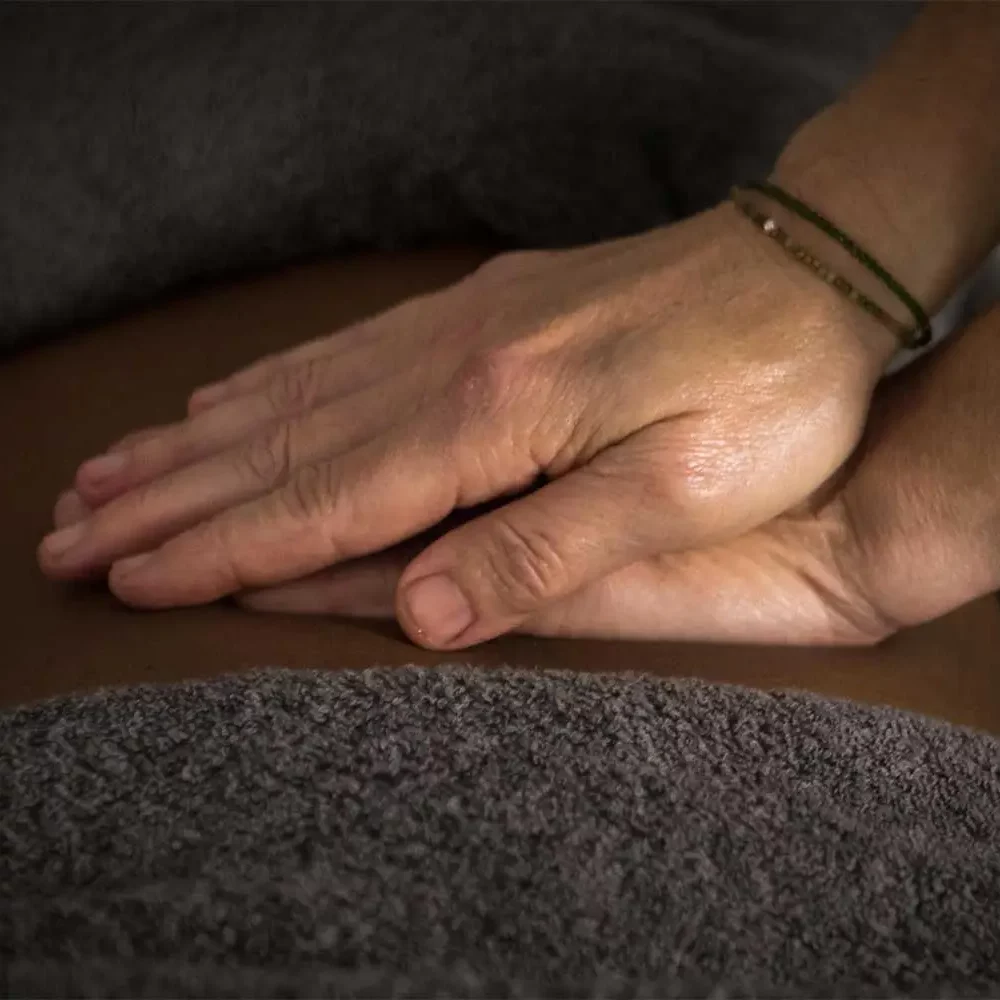
*A science-backed and body-centered approach to understanding loose stools, diarrhea, and constipation*
Introduction: Listening to the Body’s Signals
Bowel movements are one of the most honest reflections of your internal health. While we often dismiss symptoms like loose stools, irregular patterns, or constipation as normal or inconvenient, they are vital signals from the body—and deserve attention.
Whether it’s a daily rush to the bathroom or days without a proper movement, these shifts often point to deeper imbalances. This article explores both Western medical and Traditional Chinese Medicine (TCM) perspectives on digestive disturbances, and how lifestyle tools like yoga, mindfulness, and therapeutic reflexology can offer sustainable support.
What’s Considered “Normal” Digestion?
- Healthy bowel movements are typically:
- Passed once to twice a day (but 3x/week to 3x/day is considered “normal” range)
- Formed, smooth, and easy to pass
- Without urgency, pain, or undigested food
The Bristol Stool Chart helps visualize the spectrum—from constipation (Types 1–2) to loose stools and diarrhea (Types 6–7). Regular irregularity, however, suggests more than just a passing issue.
Loose Stools & Diarrhea: What Science Says
Frequent, urgent, or watery stools—especially after meals—can point to several functional or inflammatory issues:
- IBS-D (Irritable Bowel Syndrome – Diarrhea dominant)
- Food intolerances
- Bile acid malabsorption
- Post-infectious changes
- Overactive gastrocolic reflex
*Backed by research from the American College of Gastroenterology, Monash University (FODMAPs), and NICE clinical guidelines.*
Constipation: When the Body Feels Stuck
Constipation isn’t just about frequency—it includes:
- Hard, dry, or pebble-like stools
- Excessive straining
- A sense of incomplete evacuation
- Bloating or abdominal heaviness
Causes include:
- Low fiber, dehydration, and lack of movement
- Gut-brain disconnection
- Hormonal shifts
- Microbial imbalance
- Suppression of natural urges
The TCM View: Digestion as an Energy Flow
In Traditional Chinese Medicine, digestion is governed primarily by the Spleen, Stomach, and Kidney systems. Irregular bowel movements reflect deeper imbalances in Qi, Yang, and emotional regulation.
Loose Stools & Diarrhea:
- Often due to Spleen Qi or Yang Deficiency
- Emotional contributor: overthinking, worry, dampness
Constipation:
- Often due to Dryness, Liver Qi stagnation, or Heat accumulation
- Emotional contributor: frustration, held tension, or depletion
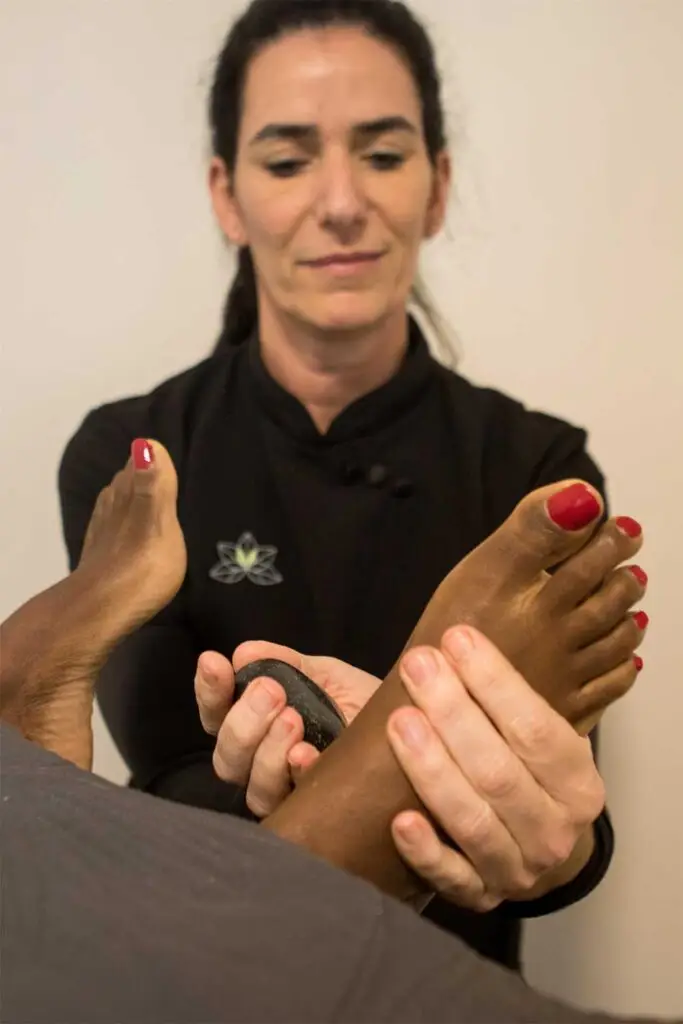
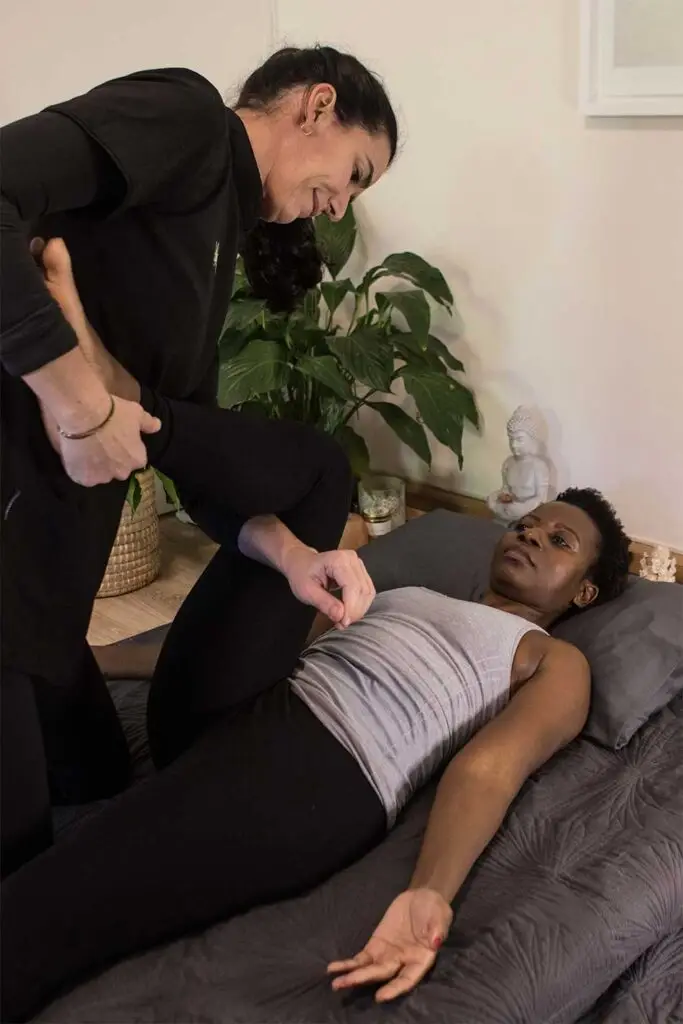
Lifestyle Support: Where Claire Coetzee Wellness Comes In
Understanding is only the first step—nervous system regulation, gut support, and meridian balance can help shift chronic patterns. Here’s how I support clients in restoring digestive harmony:
1. Therapeutic Reflexology
2. Yoga for Digestion
3. Mindfulness-Based Embodiment
4. Meridian-Based Bodywork
Gut-Friendly Daily Shifts You Can Start Today
– Eat slowly, chew thoroughly
– Keep a food and symptom journal
– Stay hydrated, favor cooked foods
– Gentle movement daily
– Prioritize rest and stress regulation
When to Seek Help
Persistent or severe digestive issues—especially with red flags—warrant professional evaluation. Functional changes, however, often benefit from a whole-body approach.
Final Thoughts
Loose stools and constipation aren’t just digestive issues—they’re messages. When we listen and respond with supportive practices, the body finds its way back to balance.
If this resonates, I invite you to explore a session with me—whether through reflexology, yoga, or embodied recovery work. Healing starts with deep listening.
Book a Session
Ready to support your gut health and overall well-being?
Book a session with Claire at: www.clairecoetzee.com
Or get in touch directly: claire@clairecoetzee.com