

Personalised Wellness & Lifestyle Coaching with Claire Coetzee
There comes a point in many of our lives when we begin to look at ourselves a little differently.
It doesn’t necessarily arrive with a crisis.
Sometimes it follows illness, loss, burnout, menopause, a relationship ending, recovery from addiction, children leaving home, an injury, a health scare or simply getting older.
And sometimes nothing dramatic has happened at all.
We just begin to recognise that the way we have been living isn’t quite working for us anymore.
Perhaps we don’t have the energy we once had. We’re not sleeping well. Our bodies have changed. We’ve stopped moving as much. We’re drinking more than we would like, spending too much time working or scrolling, eating in ways that leave us feeling depleted, or continually promising ourselves that next Monday will be different.
Perhaps there is a quieter feeling underneath it all:
I want the next part of my life to feel different.
I believe that can be an incredibly powerful turning point.
We all arrive here with a history
None of us begins today with a blank page.
We bring with us our childhoods, relationships, losses, successes, disappointments, illnesses, responsibilities and experiences.
And somewhere along the way, we develop strategies for getting through life.
Some of those strategies have served us extraordinarily well.
We might have learnt to work harder, stay busy, look after everybody else, disconnect from difficult feelings, use food or alcohol for comfort, exercise excessively, avoid exercise altogether, seek approval, stay in control, keep everyone happy or simply keep going regardless of what our bodies are telling us.
These aren’t reasons for judgement.
I’m much more interested in asking:
What has this strategy done for you?
What were you trying to manage, soothe, avoid or survive?
Is it still helping you?
And perhaps most importantly:
What might serve you better now?
Sometimes it is difficult to see our own patterns
When we are standing inside our own lives, we don’t always have the perspective to see what is happening.
This is one of the reasons I have become so interested in personalised wellness coaching.
Over the first few weeks of working together, I listen.
I observe.
We talk.
You track certain aspects of your daily life. You tell me how you’re sleeping, moving and feeling. We notice your energy. We look at the things that are working well and the things that repeatedly trip you up.
And gradually, patterns begin to emerge.
Perhaps you think you lack motivation, when what I’m seeing is exhaustion.
Perhaps you’re convinced you sleep badly for no particular reason, but your tracker begins showing us a relationship between sleep, alcohol, caffeine, stress or movement.
Perhaps you’ve spent years trying to lose weight, when what we really need to talk about first is stress, nourishment, hormones, sleep and your relationship with your body.
Perhaps the glass of wine at the end of the day isn’t really about wine. It’s the only moment you’ve created that signals that your working day is finally over.
Or perhaps you’re doing almost everything “right” and have simply forgotten to make room for things that bring you joy.
This is where an objective person alongside you can be enormously valuable.
Not to police you.
Not to fix you.
But to notice with you.
Notice. Understand. Choose.
These three words sit at the heart of the way I want to work.
NOTICE
We begin with curiosity.
What is happening in your life right now?
How do you feel in your body?
How are you sleeping?
How are you nourishing yourself?
How much are you moving?
Where is your energy going?
What brings you pleasure?
What drains you?
Which behaviours happen because you consciously choose them, and which have simply become automatic?
UNDERSTAND
Then we begin looking underneath the behaviour.
Rather than immediately deciding that something needs to be removed, we ask why it is there.
A habit can make perfect sense when we understand the need it has been meeting.
That understanding creates compassion, and compassion gives us a much better starting point for meaningful change than shame ever could.
CHOOSE
Once we can see something clearly and understand it, we have more choice.
Maybe something needs to change.
Maybe it simply needs to be moderated.
Maybe it doesn’t need changing at all.
And sometimes the work is not about changing our circumstances, but developing greater acceptance of something that cannot be changed.
The goal is not to construct a perfectly controlled life.
It is to become more conscious about the life we are creating.
Looking at the whole person
My approach to wellness has always been integrative.
In my hands-on practice, I see how stress, emotional overwhelm, hormonal transitions and fatigue can be experienced through the body, and my existing work already combines therapeutic touch, movement, nervous-system support and lifestyle guidance.
Claire_Coetzee_Wellness_Website_Content_Final.docx
Wellness coaching allows us to take that work beyond the treatment room.
Together we can look at the different pieces of your life that influence how you feel:
Your health and medical history. Your medication. Your sleep. Your movement. Injuries and physical limitations. Nourishment and hydration. Alcohol and caffeine. Stress. Work. Relationships. Habits. Emotional wellbeing. Body confidence. Life stage. Rest. Connection. Purpose. And joy.
Where something requires medical, nutritional or rehabilitation expertise beyond my scope, I will encourage you to work with the appropriate doctor, dietitian, physiotherapist or other healthcare professional.
This isn’t about replacing healthcare.
It is about helping you work with the whole picture of your everyday life.
Movement that belongs in your actual life
Movement is an important part of my approach, but I don’t believe everybody needs the same programme.
Your body has a history too.
Age, injury, illness, fitness, pain, confidence and lifestyle all matter.
For one person, progress may mean returning to strength training.
For another, it could mean walking for 20 minutes.
For somebody else, yoga, mobility, stretching or breathwork may be the appropriate starting point.
The question isn’t:
What is the perfect exercise programme?
It is:
What kind of movement can help this particular person feel stronger, more capable and more connected to their body, and can they realistically continue doing it?
Nourishment without another diet
This is not a diet programme.
Food matters enormously to how we feel, but I am interested in helping people develop healthier, realistic ways of nourishing themselves rather than creating another set of rules.
We can look at meal patterns, hydration, protein and plant intake, planning, caffeine, alcohol and the practical choices that support energy and wellbeing.
If medication, a medical condition or specific nutritional requirements need clinical advice, that belongs with the appropriate healthcare practitioner.
The coaching then helps with something different:
How do we make healthy choices actually work in your life?
The body is part of the conversation
We can intellectually know an enormous amount about health and still struggle to change.
Most of us already know that movement is good for us, vegetables are useful, excessive alcohol isn’t ideal and sleep matters.
Knowing isn’t always the problem.
That’s why my background in embodiment is an important part of this work.
And by embodiment, I mean something very simple:
Learning to include your body in the conversation.
Noticing tension.
Recognising tiredness.
Understanding when we’re overwhelmed.
Using movement, breath, meditation and body awareness to regulate ourselves.
Learning the difference between what our bodies genuinely need and the automatic strategies we’ve learnt to reach for.
My existing therapeutic work has always centred on creating space for regulation, restoration and reconnection. Claire_Coetzee_Wellness_Website_Content_Final.docx Coaching gives us the opportunity to bring those principles into everyday life.
What working together looks like
The work is personalised, so I don’t believe every client should follow an identical eight-week formula.
There is structure, but the content evolves around you.
We begin with an in-depth assessment of where you are now, what you want, why it matters and what may be standing between you and that outcome.
During the early weeks, our contact can be more frequent. I may ask you to use a simple tracker and send me short weekday updates around things such as sleep, movement, energy, mood and the particular habits we’re observing.
These aren’t report cards.
They’re information.
They allow both of us to begin seeing patterns that might otherwise remain invisible.
Your individual programme may then include 50-minute coaching sessions, 30-minute movement or embodiment sessions, weekday check-ins, tracking and reflection, and a personalised monthly meditation that you can use as part of your evening or sleep ritual.
Some clients may need more movement support. Others may need more conversation and reflection.
We decide together.
This requires your participation
Coaching isn’t something I can do to somebody.
There needs to be buy-in.
I can observe, support, challenge, encourage and sometimes see something that you haven’t yet seen.
But ultimately, you choose what you do with that information.
That is why I’m less interested in perfection than I am in willingness.
Are you willing to become curious about yourself?
Are you willing to look at something differently?
Are you willing to experiment with another way?
That’s enough to begin.
Healthy ageing is about more than living longer
For many of us, there is a point in midlife when health begins to mean something different.
It isn’t only about how we look.
We begin thinking about strength, mobility, independence, cognitive health, relationships, energy and how we want to experience the decades ahead.
Maybe you have 20, 30 or 40 years in front of you.
The question isn’t simply:
How long can I live?
It is:
How do I want to live?
I want to be able to move.
I want meaningful relationships.
I want to remain curious.
I want to feel comfortable in my body.
I want to travel, laugh, work, rest, love and participate.
I want my life to have meaning.
And I want there to be joy in it.
Because joy matters
I think wellness can become terribly serious.
We can turn health into another performance.
Steps. Calories. Sleep scores. Protein targets. Training sessions. Supplements. Weight. Measurements.
All of these things can provide useful information.
But none of them is the point.
Health is there to support our capacity to live.
There will be circumstances we cannot control.
Bodies change.
People get ill.
Relationships end.
People we love die.
We age.
Plans fall apart.
Acceptance is therefore an important part of this work too.
A meaningful life doesn’t require perfect circumstances.
We can ask:
Given what is true right now, how can I live as well as I possibly can?
What can I influence?
What do I need to accept?
What deserves more of my attention?
What deserves less?
Who matters?
What makes me feel alive?
What would I regret not doing?
And what might become possible if I stopped fighting myself and started working with myself instead?
Perhaps you’ve reached your turning point
You don’t have to wait for everything to fall apart before deciding that you want something different.
Sometimes the turning point is simply recognising:
I want to take care of myself differently now.
Not because you’re frightened of ageing.
Not because your body needs to look a particular way.
Not because somebody on Instagram told you to optimise your morning routine.
But because your life matters to you.
And you want the years ahead to contain as much health, connection, meaning, purpose and joy as possible.
That’s the work I’m interested in doing.
Notice. Understand. Choose.
And then, together, we begin moving forward.
Personalised Wellness & Lifestyle Coaching with Claire Coetzee
I am currently opening a small number of spaces for private coaching.
If you’ve reached a turning point in your own life, or simply feel ready to look more closely at how you’re living and how you’d like to feel, I’m offering a complimentary 20-minute conversation to explore what is happening for you and whether working together might be a good fit.
No pressure. No perfect starting point required.
Just a conversation.


Food First: Magnesium-Rich Choices
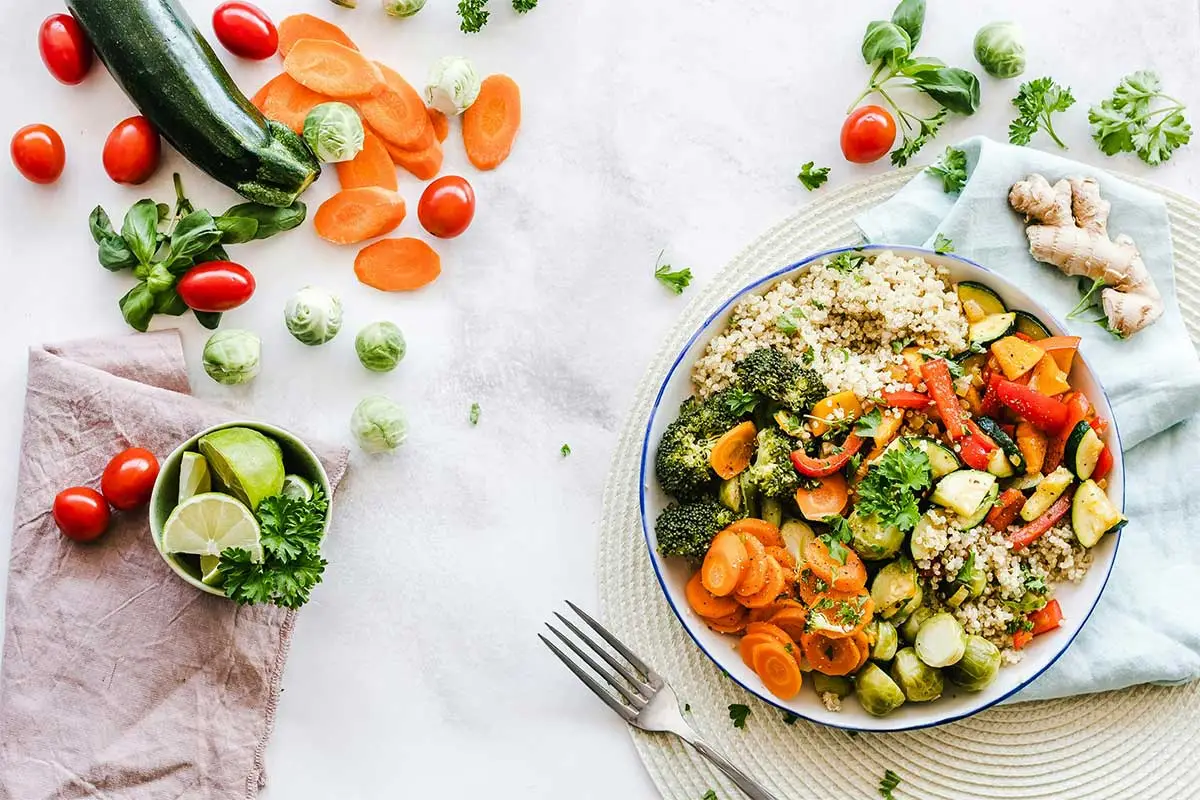
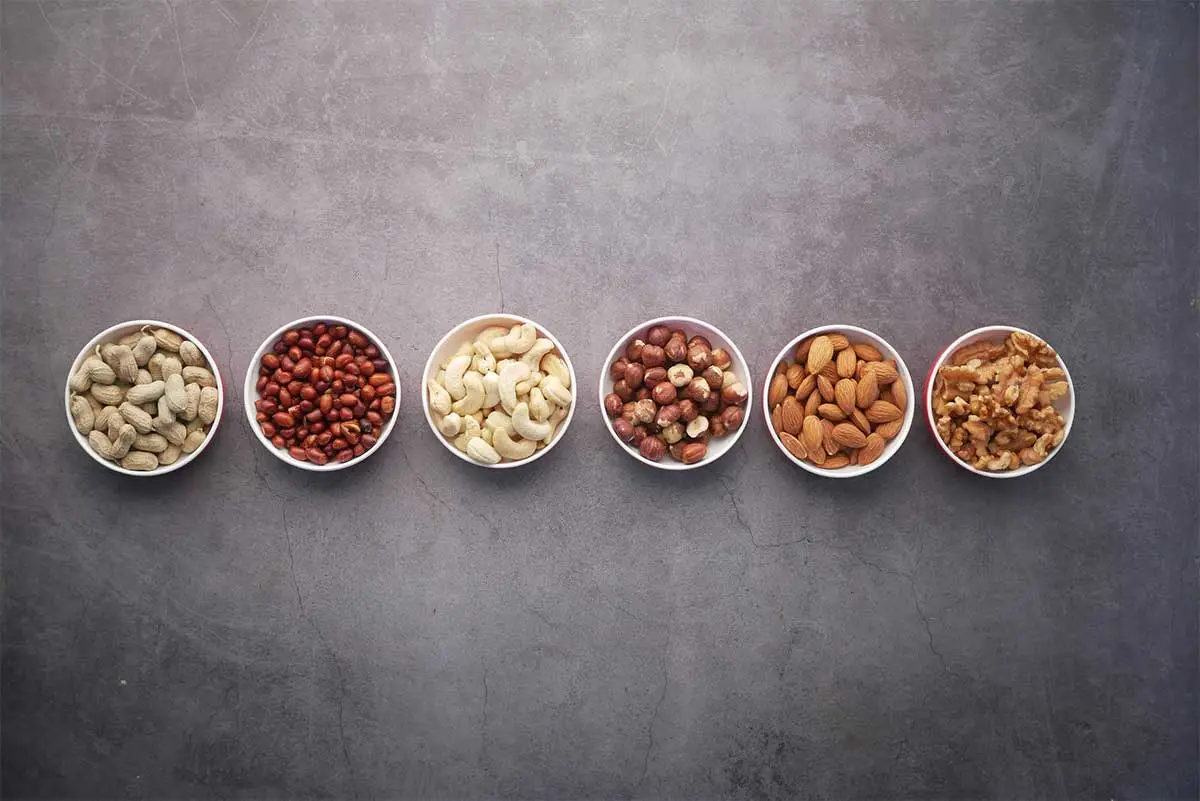
Magnesium is best obtained through whole foods. Some excellent sources include:
Leafy greens: spinach, Swiss chard, kale
Nuts & seeds: pumpkin seeds, almonds, cashews, sunflower seeds
Legumes: black beans, chickpeas, lentils
Whole grains: oats, brown rice, quinoa
Fruits: bananas, avocados
Extras: dark chocolate (85% cocoa), fatty fish (salmon, mackerel, sardines)
A Magnesium-Rich Day on Your Plate
Breakfast – Spinach & Avocado Smoothie
1 cup spinach, ½ avocado, 1 banana, 1 tbsp pumpkin seeds, 1 cup unsweetened almond milk. Blend until creamy. Provides ~120 mg magnesium.
Lunch – Quinoa & Black Bean Salad
Quinoa, black beans, cucumber, cherry tomatoes, pumpkin seeds, tossed with olive oil and lemon juice. ~150 mg magnesium.
Snack – Dark Chocolate Trail Mix
Almonds, cashews, sunflower seeds, and a square of 85% dark chocolate.
Dinner – Salmon with Swiss Chard & Brown Rice
Grilled salmon fillet, sautéed Swiss chard with garlic, and a serving of brown rice. Balanced in healthy fats, protein, and minerals.
Lifestyle, Mindfulness, and Bodywork
Nutrition is only part of the story. Stress, poor sleep, and high physical demand all increase magnesium loss. Supporting your lifestyle helps preserve and optimize this mineral.
- Mindfulness Practices – Meditation, journaling, or simple breathwork (like square breathing) reduce cortisol, which otherwise drives magnesium loss.
- Bodywork – Yoga, reflexology, massage, or restorative stretching activate the parasympathetic nervous system, helping your body conserve magnesium.
- Sleep Hygiene – Magnesium is linked to melatonin and GABA, making evening rituals (dim lights, gentle stretches, magnesium-rich tea) especially effective.
- Movement – Exercise increases demand, but recovery practices (yin yoga, warm baths with Epsom salts, mindful walking) help restore stores.
A TCM-Inspired Lens on Magnesium
While Traditional Chinese Medicine doesn’t talk about magnesium directly, its principles overlap beautifully with magnesium’s role:
- Kidney Energy (Jing) – Magnesium-rich seeds, legumes, and fish nourish kidney essence, supporting vitality.
- Liver & Emotional Flow – Leafy greens (high in magnesium) soothe the liver and promote smooth Qi flow, echoing magnesium’s calming role in stress and mood.
- Spleen & Digestion – Whole grains strengthen spleen Qi, enhancing absorption of minerals.
Eating a balance of green, grounding, whole foods while practicing stress relief reflects both modern nutritional science and TCM philosophy.
Take-Home Message
Magnesium is the silent multitasker of your body—supporting energy, calm, cardiovascular resilience, bone strength, nerve health, and emotional wellbeing. Suboptimal intake can set the stage for chronic disease, while deficiency may cause very real neuromuscular and neurological symptoms.
Practical tip: Prioritize magnesium-rich foods daily, consider supplementation when risk factors or symptoms are present, and pair your nutrition with mindful, restorative practices to conserve your stores. From a smoothie in the morning to a calming Epsom salt bath at night, magnesium can be woven into your life in simple yet powerful ways.
References
Gröber, U., Schmidt, J., & Kisters, K. (2015). Magnesium in prevention and therapy. Nutrients, 7(9), 8199–8226.
Volpe, S.L. (2013). Magnesium in disease prevention and overall health. Advances in Nutrition, 4(3), 378S–383S.
DiNicolantonio, J.J., O’Keefe, J.H., & Wilson, W. (2018). Subclinical magnesium deficiency: A principal driver of cardiovascular disease and a public health crisis. Open Heart, 5(1), e000668.
Barbagallo, M., & Dominguez, L.J. (2010). Magnesium and aging. Current Pharmaceutical Design, 16(7), 832–839.
Nielsen, F.H. (2018). Magnesium deficiency and increased inflammation: current perspectives. Journal of Inflammation Research, 11, 25–34.
Chiu, H.Y., Yeh, T.S., Chen, P.Y., et al. (2018). Association between dietary magnesium intake and risk of hypertension, type 2 diabetes, cardiovascular disease, and all-cause mortality: A systematic review and dose–response meta-analysis. Journal of Human Nutrition and Dietetics, 31(4), 465–474.
Jahnen-Dechent, W., & Ketteler, M. (2012). Magnesium basics. Clinical Kidney Journal, 5(Suppl 1), i3–i14.